
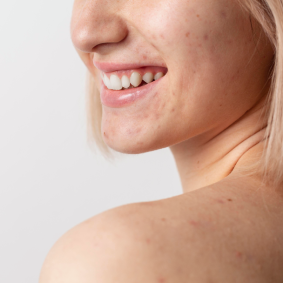
Acne is one of the most common skin concerns people face, regardless of age or skin type. From teenage breakouts to adult acne caused by stress, hormones, or lifestyle, these small bumps can greatly impact self-confidence. Fortunately, acne free creams have become a trusted solution for managing and preventing breakouts. If you’re looking to understand how these creams work and how to use them effectively, this guide will walk you through everything you need to know.
What Is an Acne Control Cream?
An acne control cream is a topical treatment designed to target pimples, blackheads, whiteheads, and clogged pores. These creams usually contain active ingredients that help reduce inflammation, kill acne-causing bacteria, unclog pores, and control excess oil production. Different creams work in different ways, so choosing one that matches your skin’s needs is important.
Common Ingredients Found in Acne Control Creams
1. Salicylic Acid
Helps exfoliate the skin and unclog pores. Best for blackheads and whiteheads.
2. Benzoyl Peroxide
Targets acne-causing bacteria and inflammation. Effective for red, swollen pimples.
3. Retinoids
Improve cell turnover, prevent clogged pores, and fade acne marks.
4. Tea Tree Oil
A natural antibacterial ingredient that soothes redness and irritation.
5. Sulfur
Absorbs excess oil and helps dry out active pimples.
How Does an Acne Control Cream Work?
Acne control creams work by:
Reducing oil production
Killing acne-causing bacteria
Preventing clogged pores
Reducing inflammation
Helping the skin heal faster
With consistent use, they minimize breakouts and improve skin texture.
Benefits of Using an Acne Control Cream
Fewer pimples and clogged pores
Reduced redness and swelling
Prevention of future breakouts
Smoother, clearer skin
Gradual fading of acne marks
Keep in mind that results take time—usually 4 to 6 weeks of regular use.
How to Use an Acne Control Cream Effectively
1. Start Slowly
Introduce the cream gradually to avoid irritation.
2. Clean Your Face First
Apply only on clean, dry skin.
3. Use a Thin Layer
A small amount is effective; don’t over-apply.
4. Follow With Moisturizer
Choose a non-comedogenic, lightweight moisturizer.
5. Use Sunscreen
Protect your skin from the sun, especially when using actives like retinoids or acids.
6. Stay Consistent
Follow the routine daily for best results.
FAQs About Acne Control Cream (Pakistan-Based)
1. Which acne control cream is best in Pakistan?
Popular options in Pakistan include creams with salicylic acid, benzoyl peroxide, and niacinamide. Brands like Neutrogena, Acne-Aid, Rivaj, and local dermatologist-recommended formulas are commonly used. The best choice depends on your skin type.
2. Are acne creams safe for sensitive skin?
Yes, but it’s better to choose gentle creams with lower concentrations of active ingredients. Patch testing on a small area is recommended.
3. How long does it take to see results?
Most acne creams show improvement in 4 to 6 weeks with daily use. Severe acne may take longer and may require a dermatologist’s advice.
4. Can I use acne control cream during summer in Pakistan?
Absolutely. Just make sure to use sunscreen because many acne ingredients increase sun sensitivity, especially during Pakistan’s strong summer heat.
5. Is it okay to use makeup over acne cream?
Yes, you can apply makeup after the cream dries completely. Choose oil-free, non-comedogenic makeup products.
6. Can teenagers use acne control cream?
Yes, teenagers can safely use acne creams, but mild formulas with salicylic acid are recommended. For severe acne, consult a dermatologist.
7. Are acne control creams affordable in Pakistan?
Yes, many options are available ranging from PKR 300 to PKR 2,000, depending on the brand and ingredients.
8. Do acne creams remove dark spots?
Some ingredients like retinoids and niacinamide help fade dark spots over time. However, they work gradually and require consistent use.
9. Can I use two acne creams together?
It’s usually not recommended because mixing strong actives can cause irritation. Stick to one product unless your dermatologist suggests otherwise.
10. Should I visit a dermatologist for acne?
If your acne is severe, painful, or not improving after using creams for a few months, a dermatologist in Pakistan can suggest stronger treatments like oral medications or clinical procedures.